getwellengineering.com

Service Overview

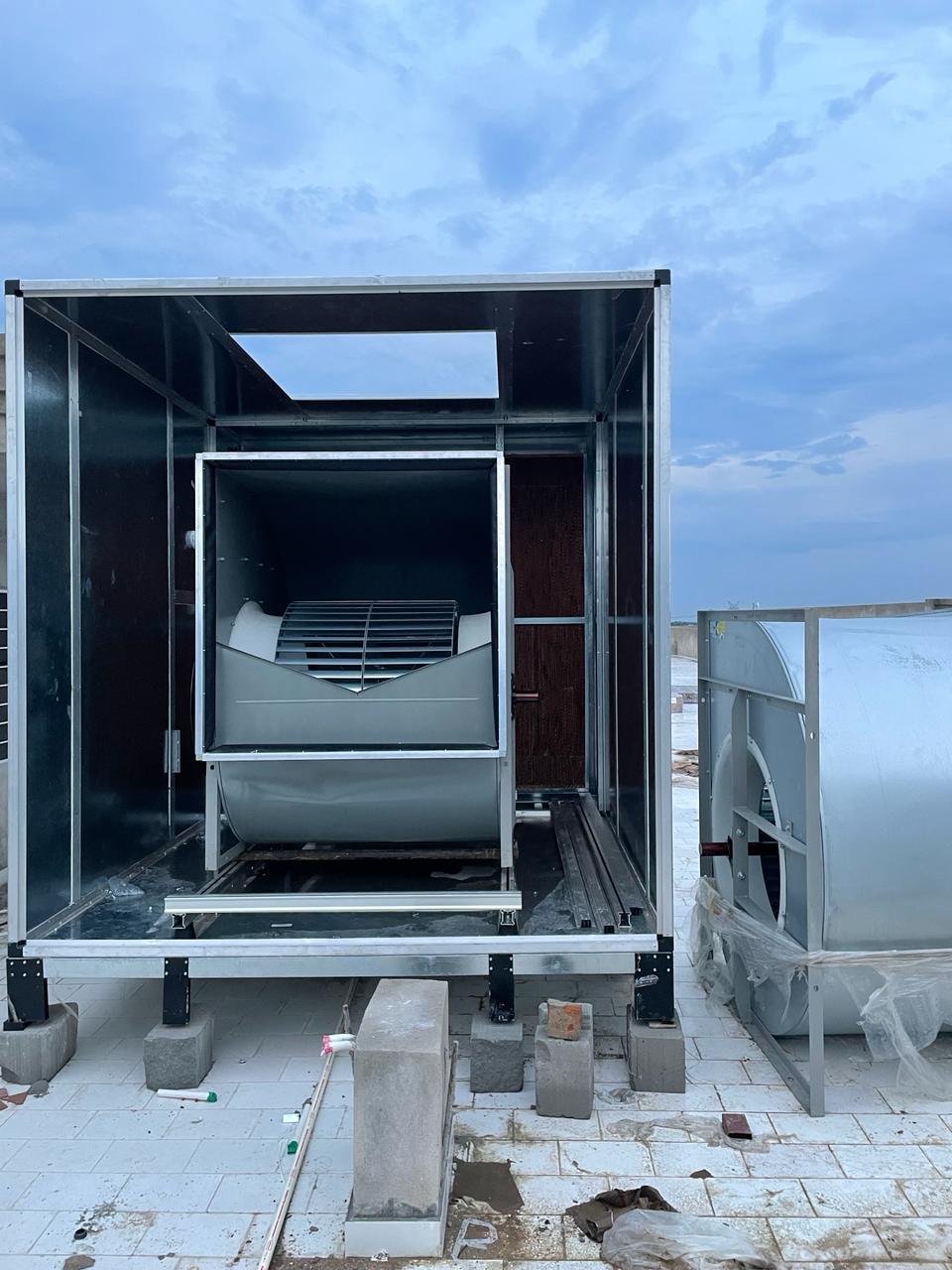
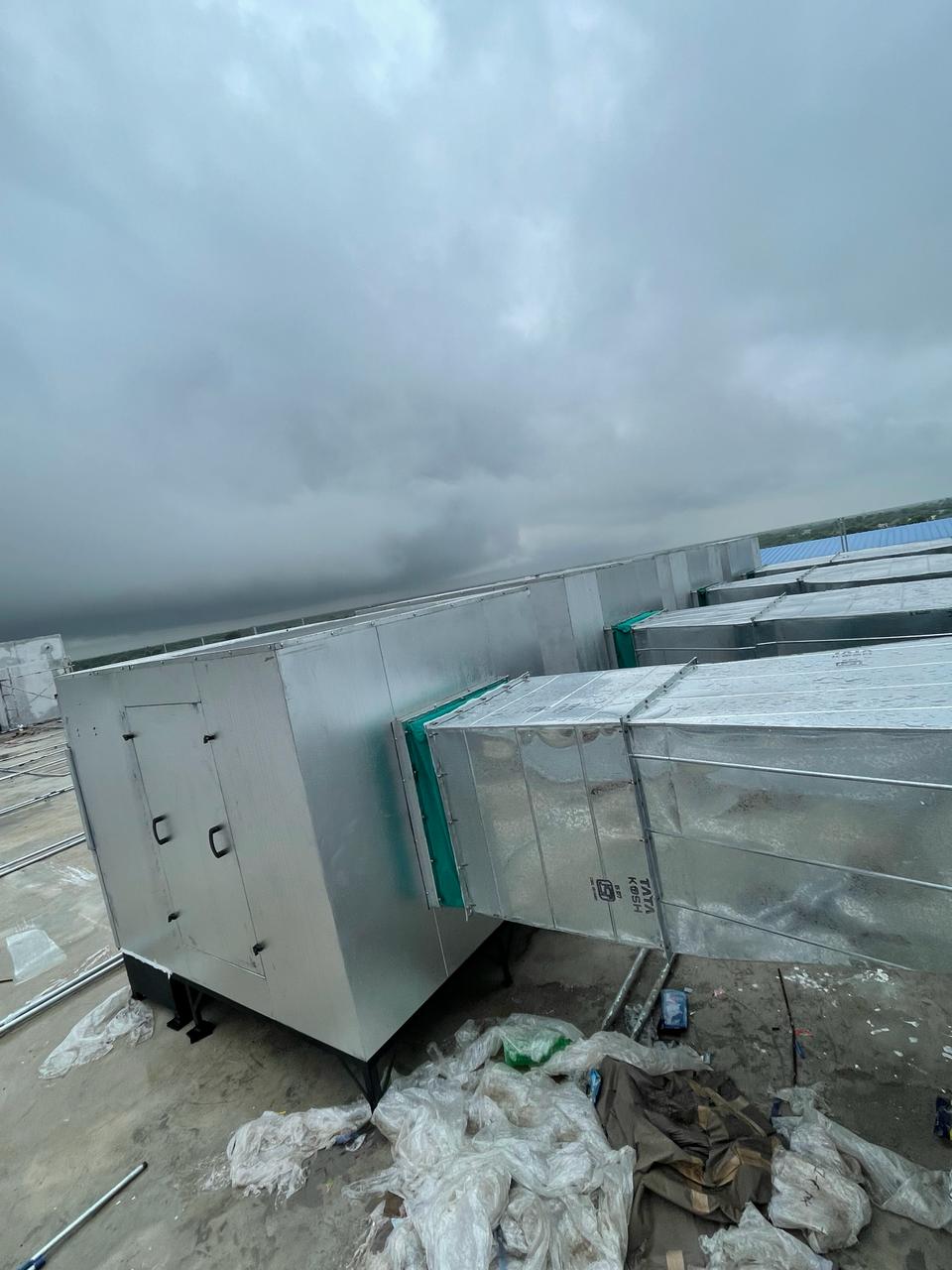
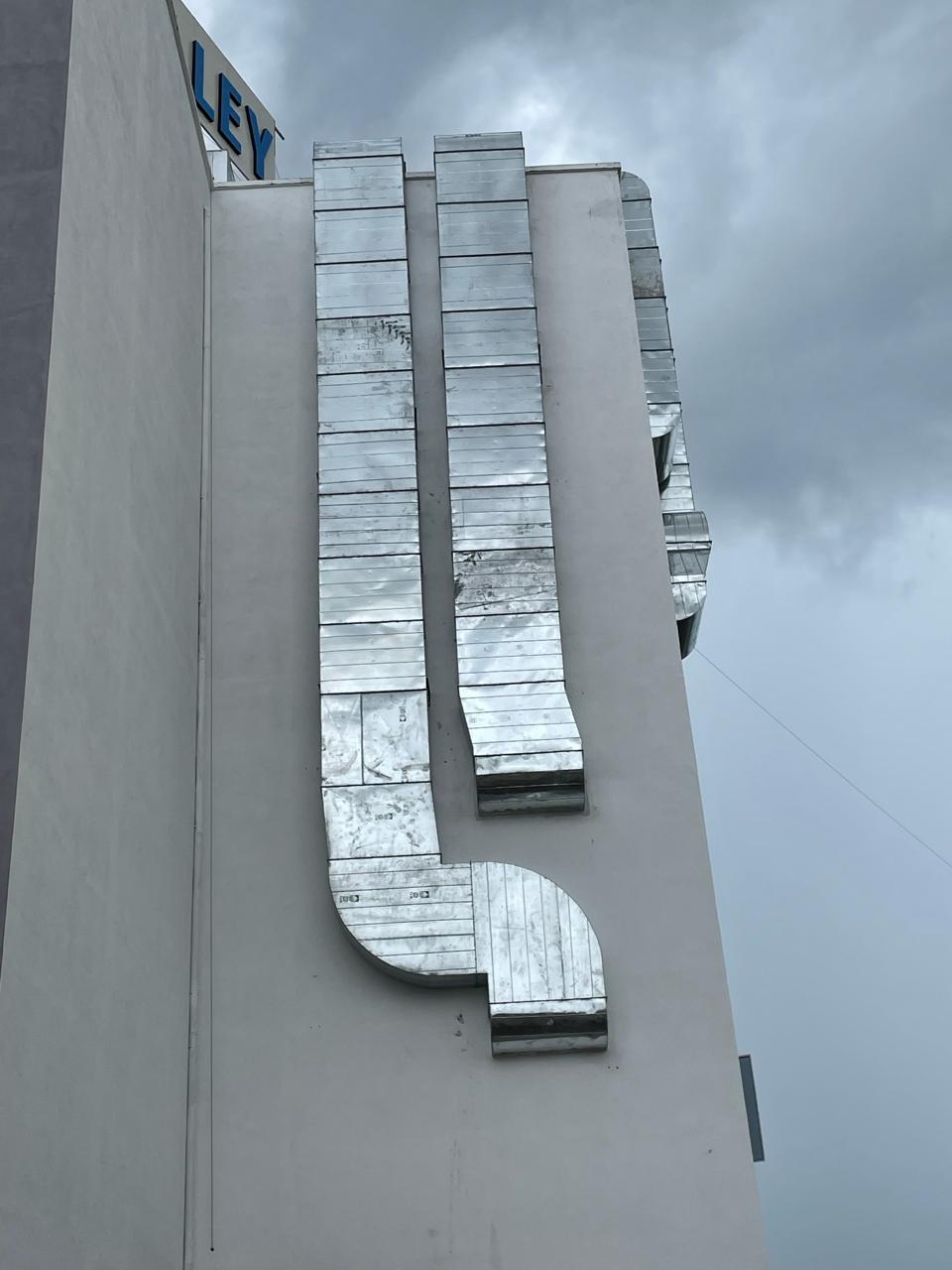
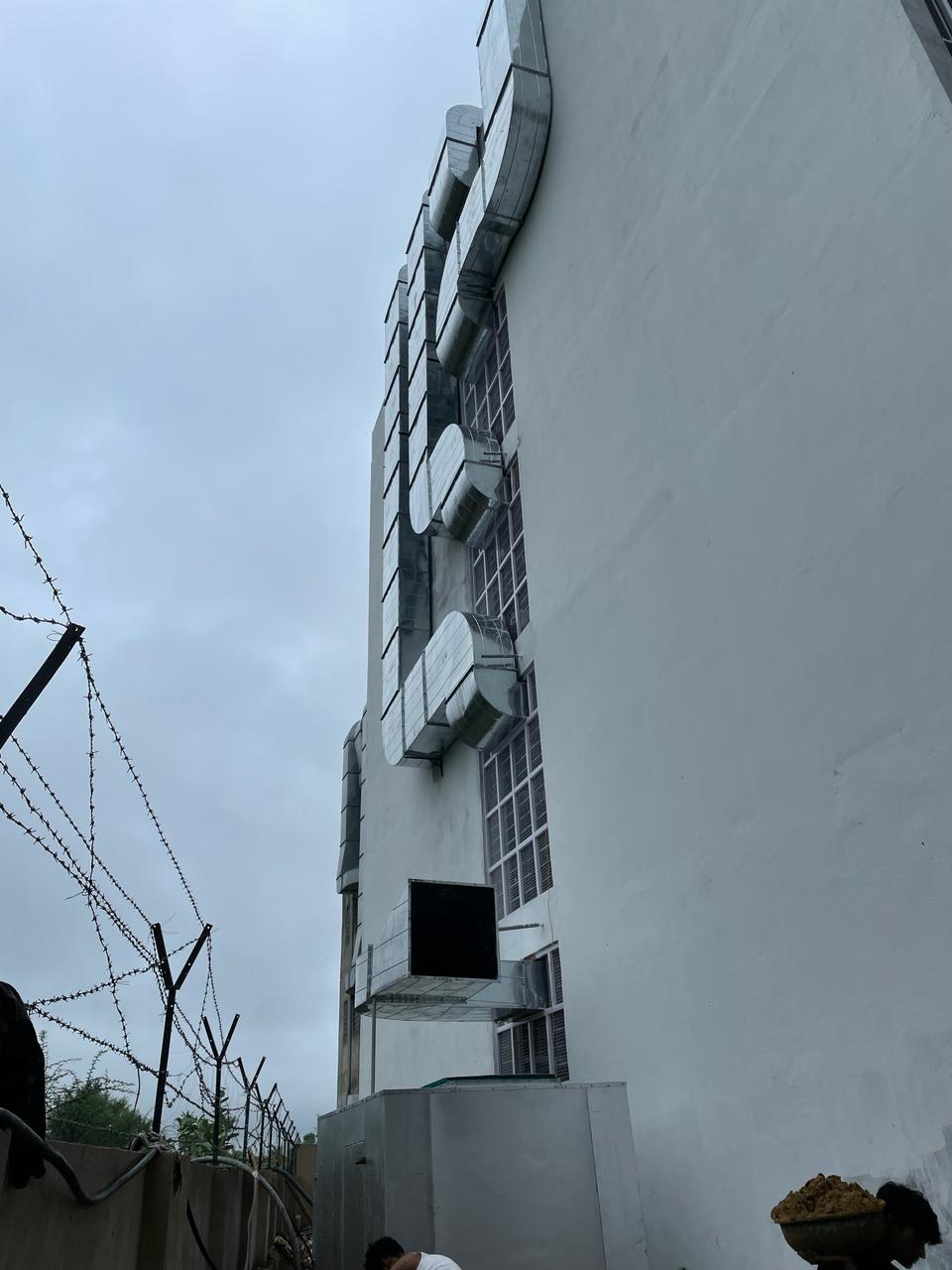
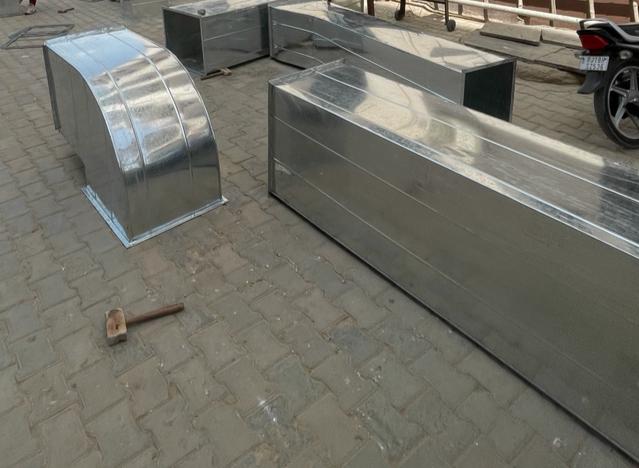
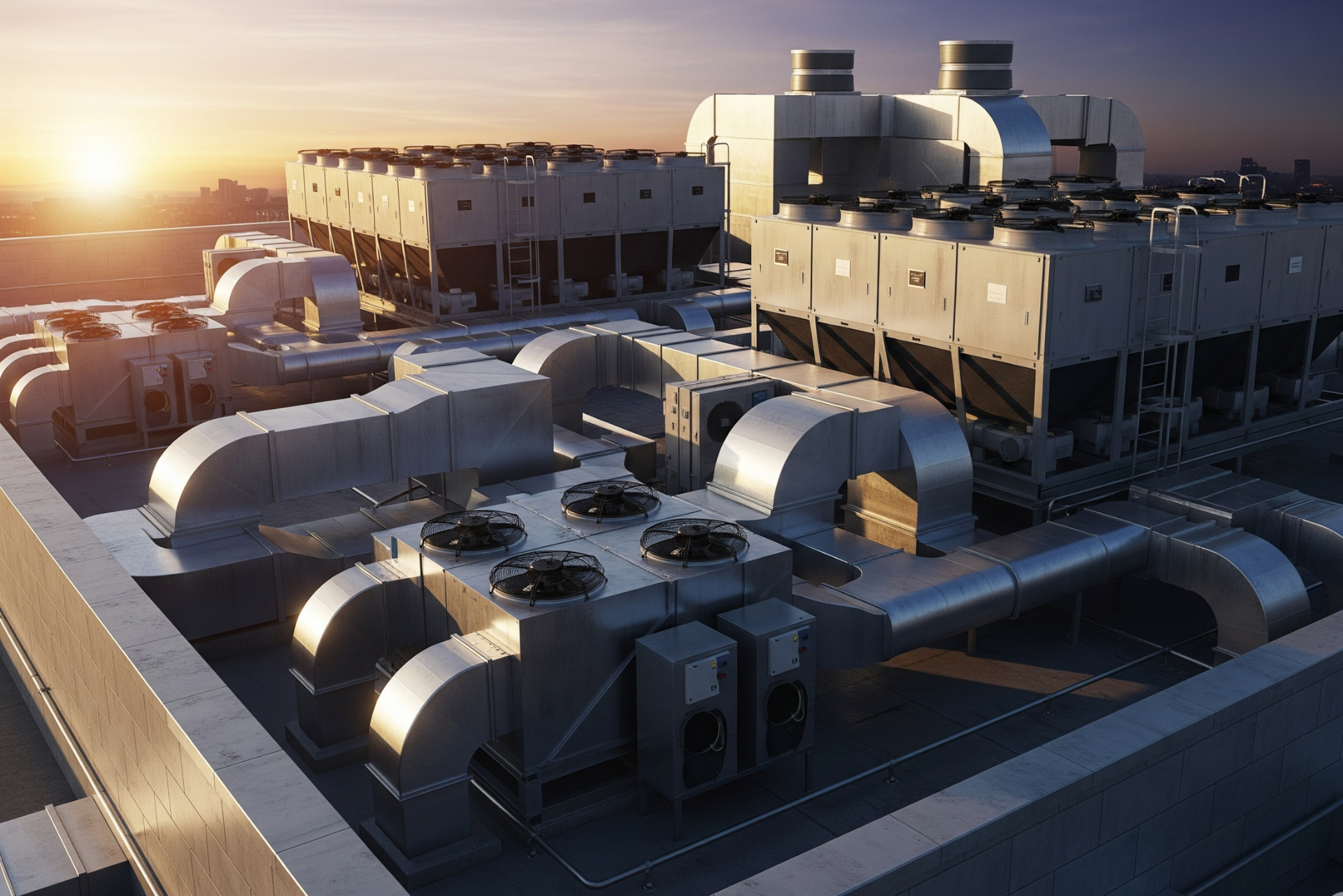
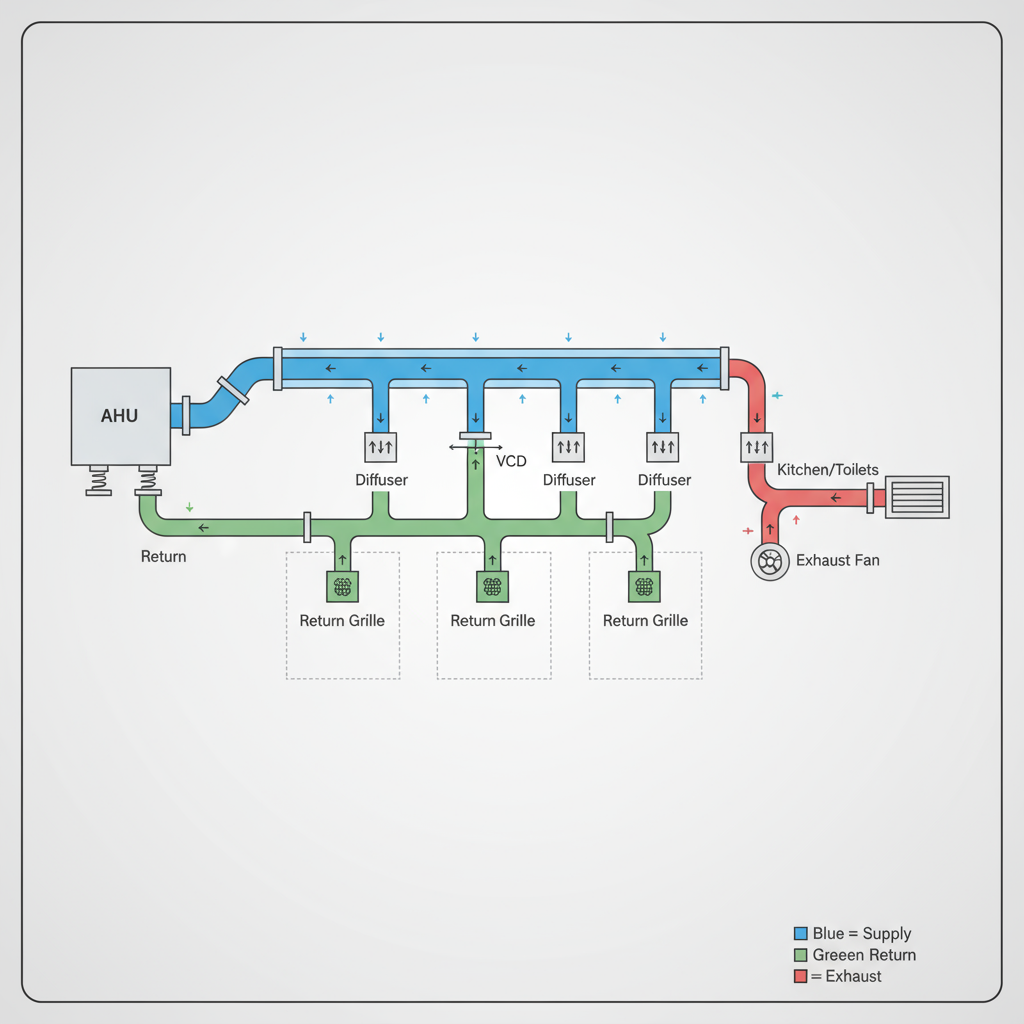
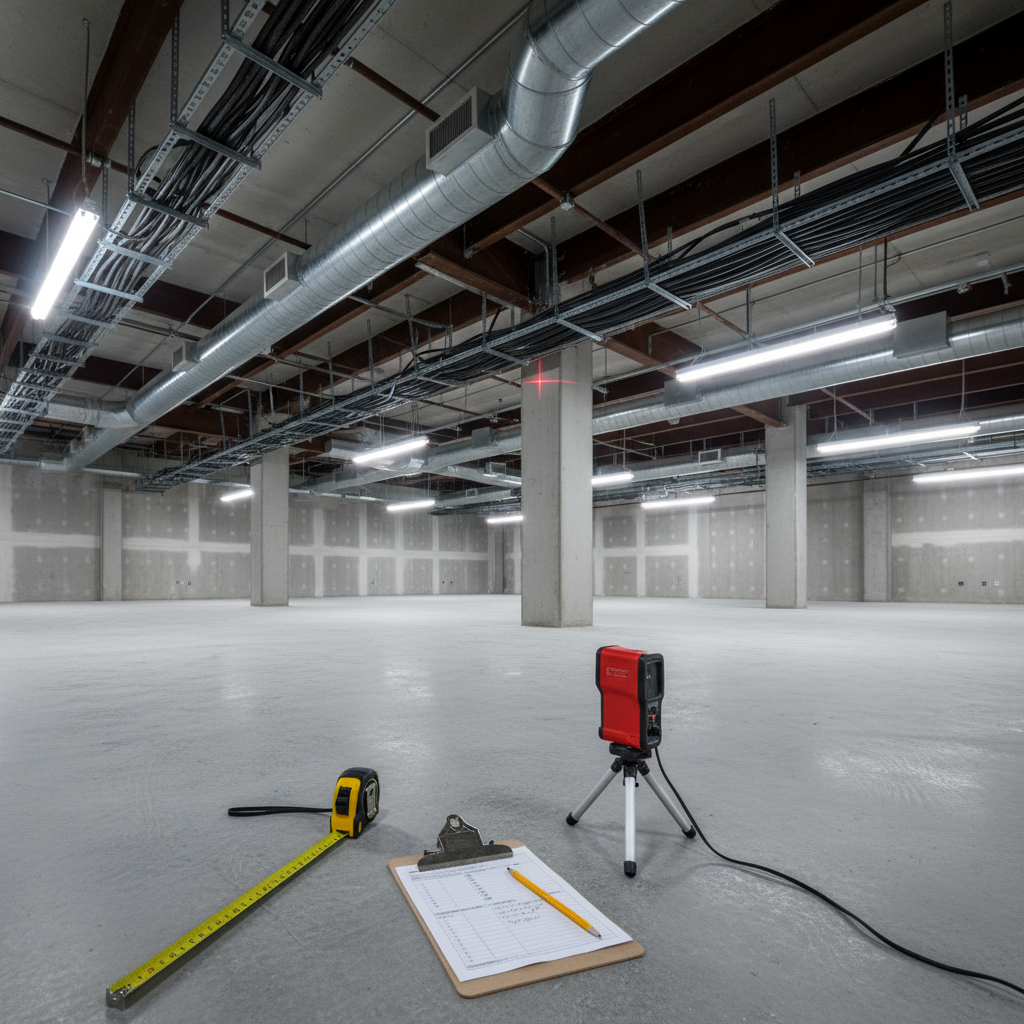
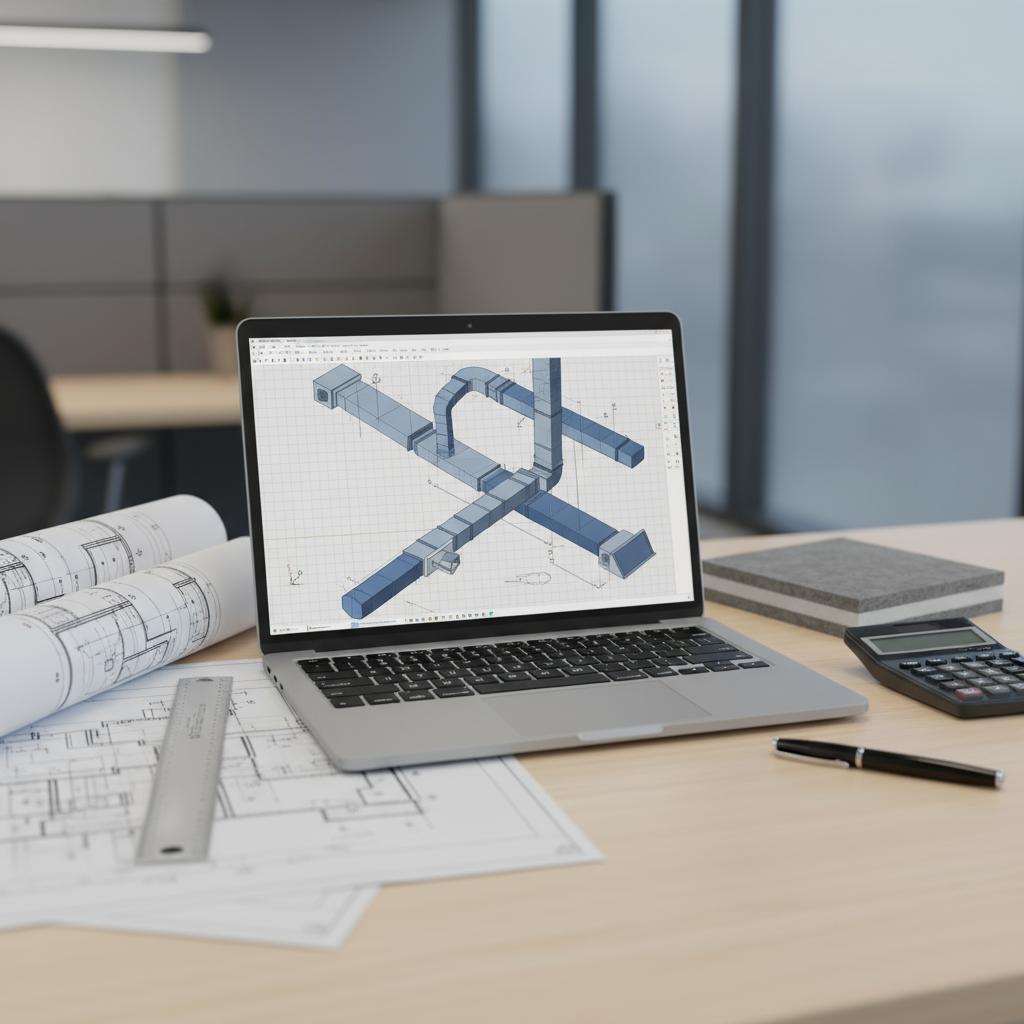
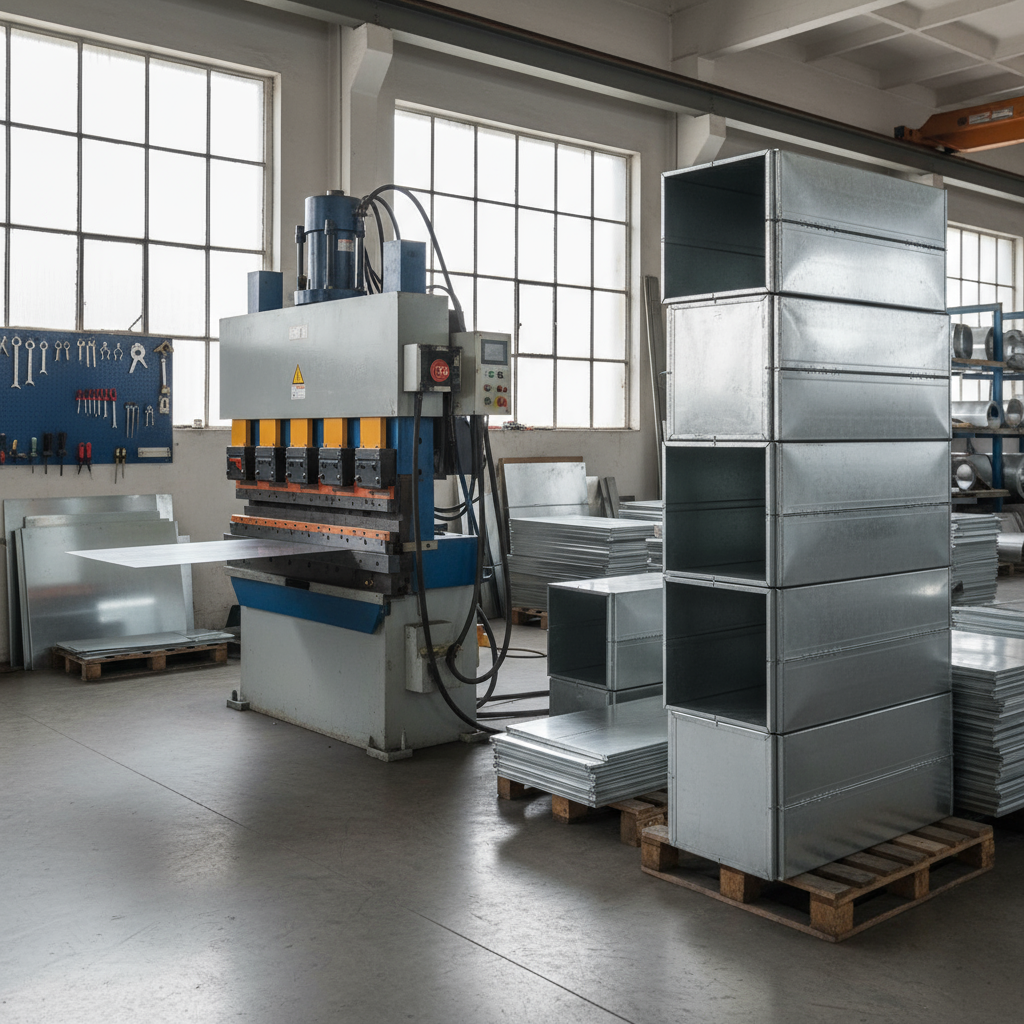
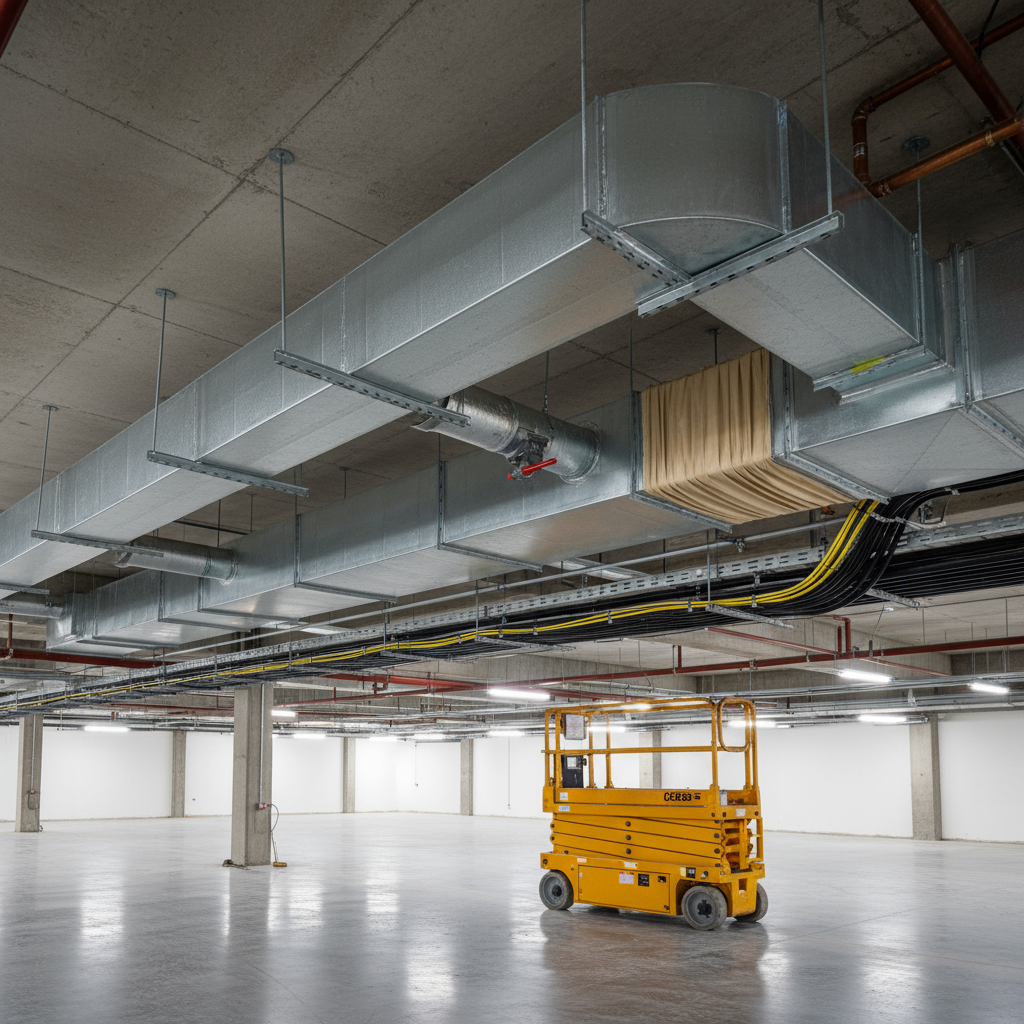
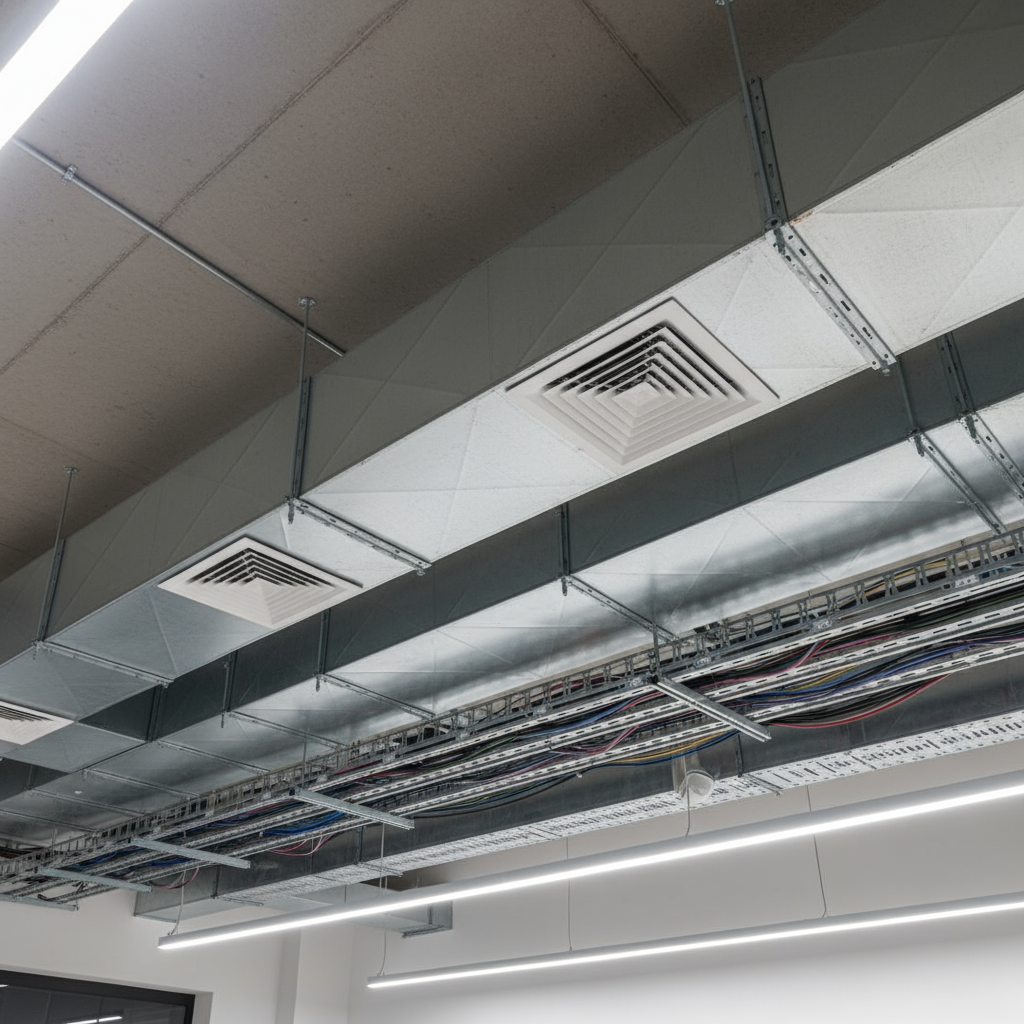
Ducting safely moves conditioned, fresh, and exhaust air so every room gets the right airflow (CFM), temperature, humidity, and indoor air quality. Get Well Engineering delivers an end‑to‑end solution: site survey, airflow/heat‑load calculations, clash‑free routing, precision fabrication, on‑site installation, insulation, and final testing and balancing. We follow recognized guidelines (SMACNA/ISHRAE) for gauge selection, TDF/TDC/flanged joints, sealants, stiffeners. During commissioning we perform leakage checks.

What you get:

  • Consistent airflow & IAQ with low leakage
  • Optimized pressure drop → lower energy bills
  • Fast‑track, safety‑first execution
  • Clean finish with easy access for maintenance

Need a quick BOQ or site visit? Share Drawing with-us you will get response in 24 to 48 Hours

Where it Used

Hospitals, Labs, Cleanrooms
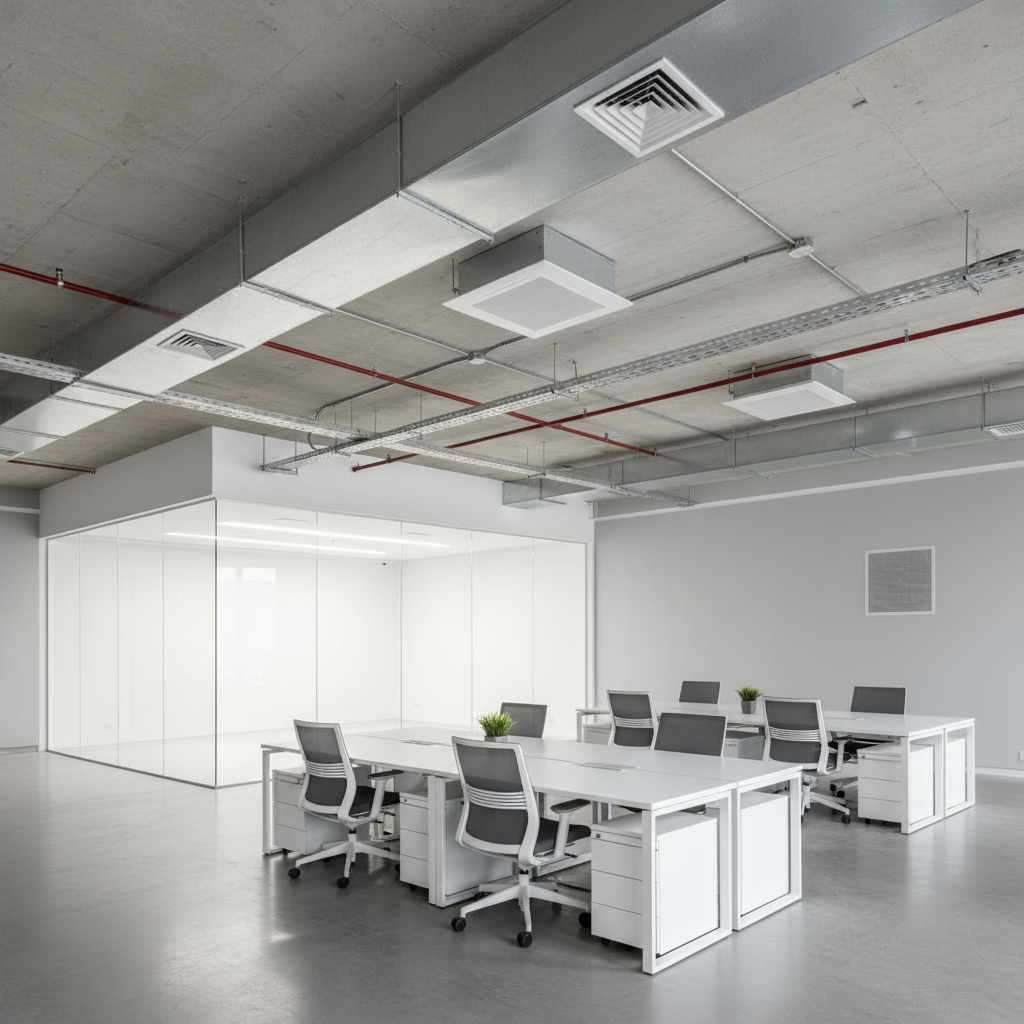
Offices, Retail, Malls
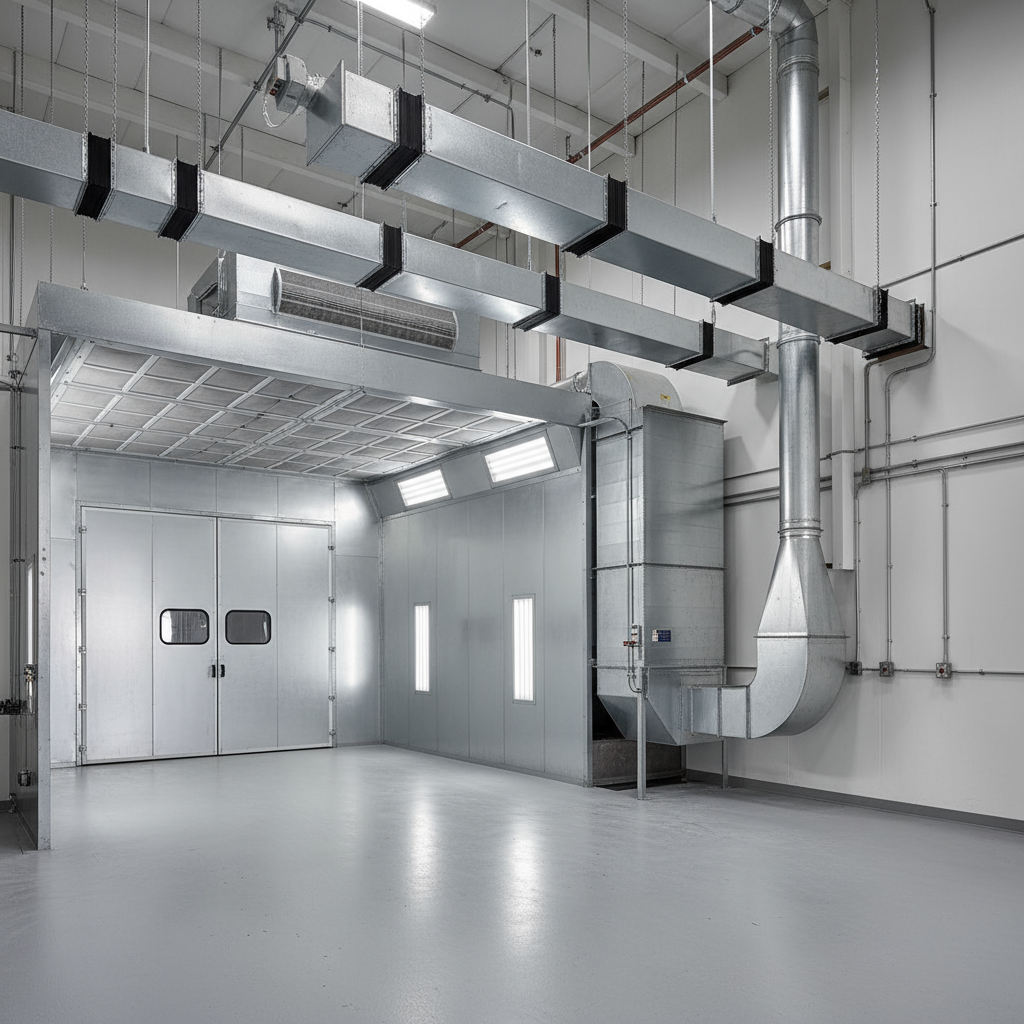
Manufacturing Plants, Paint Booths
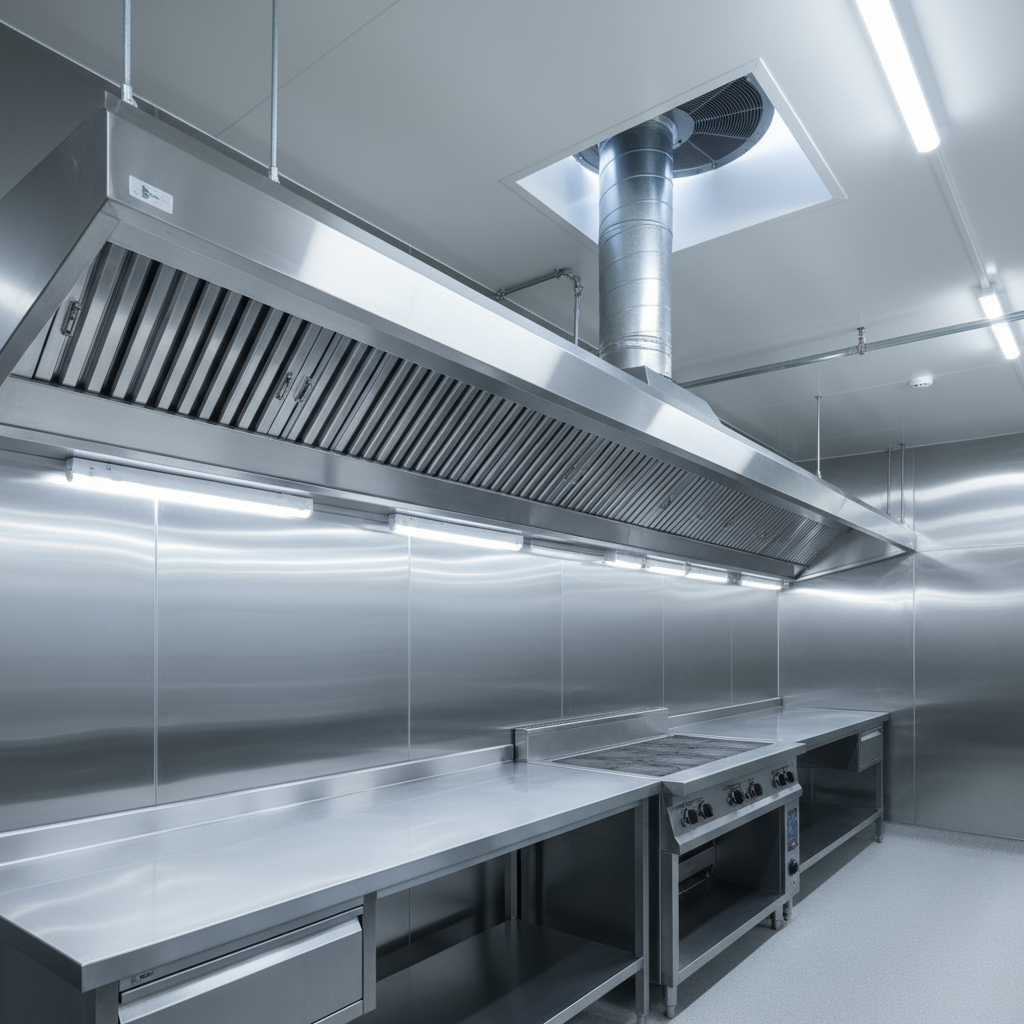
Hotels, Commercial Kitchens
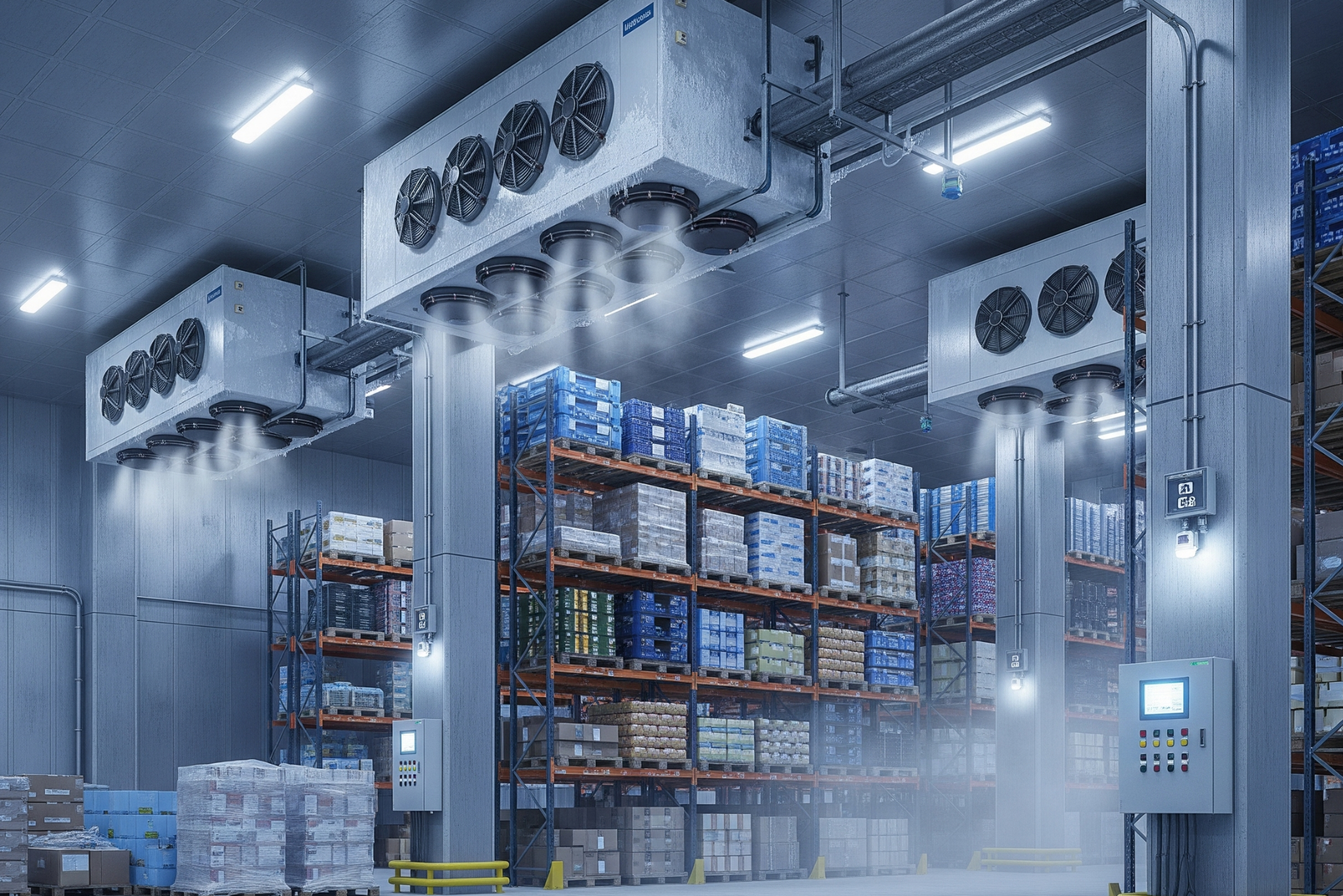
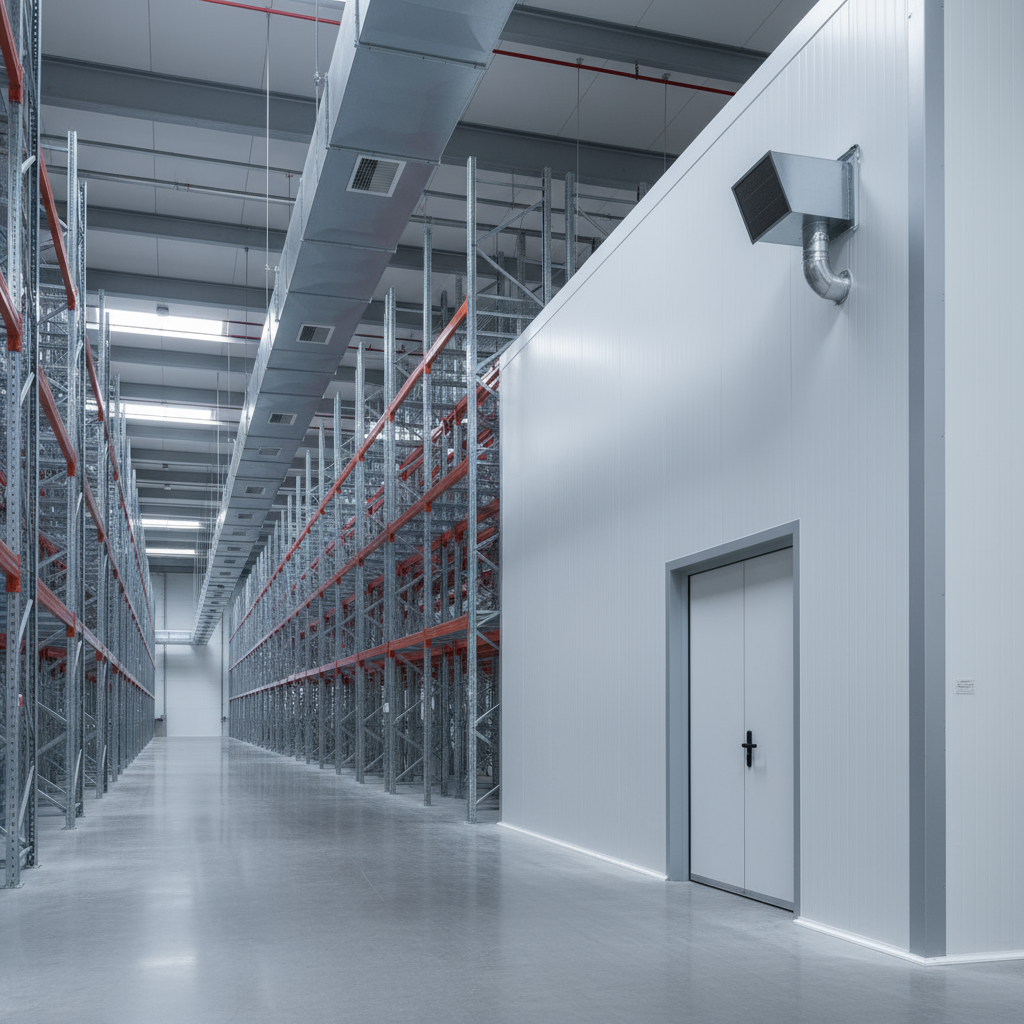
Warehouses, Cold Rooms
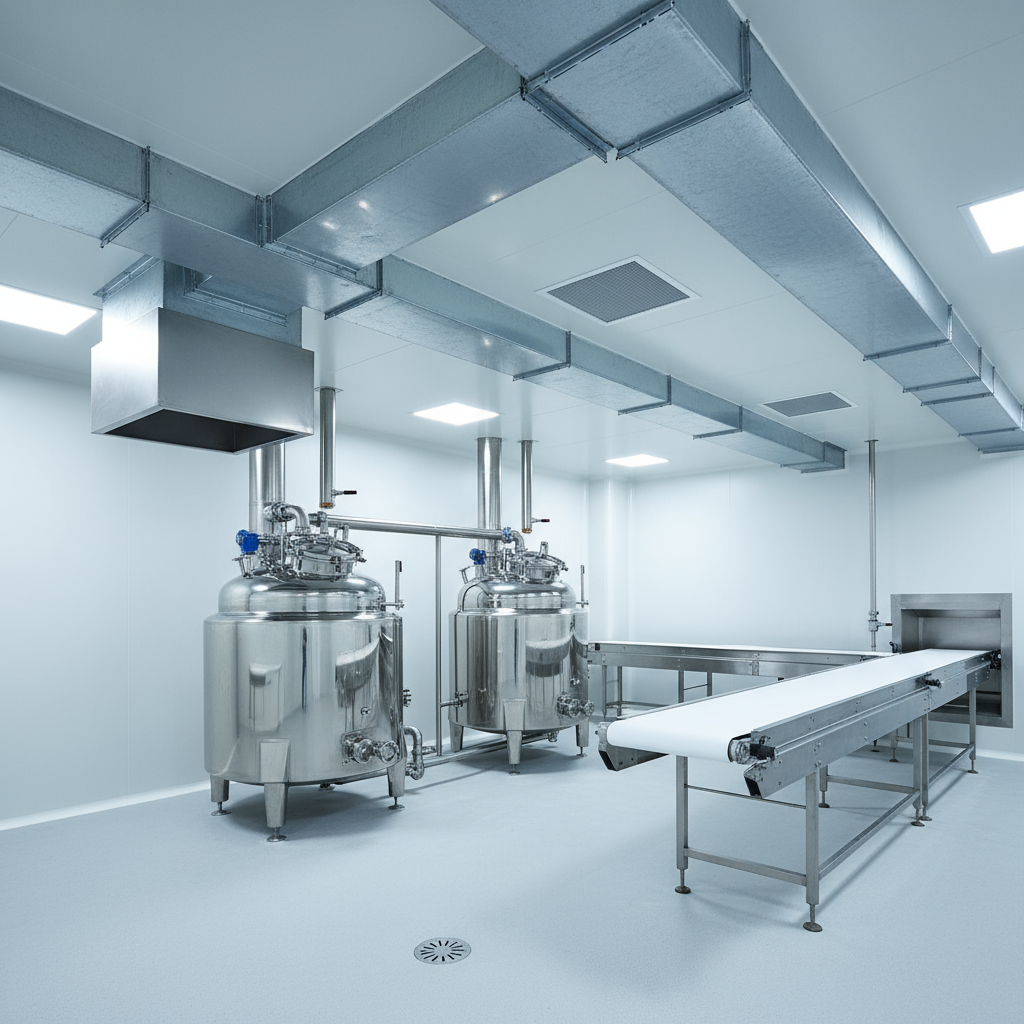
Pharma, Food Processing

Technical Option & Specifications

  • Standards: Designed and installed to SMACNA/ISHRAE guidelines for airflow, safety, and low leakage.
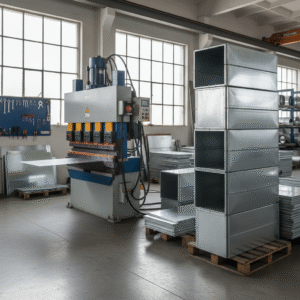
  • Types: Rectangular (GI/SS/Aluminium), spiral round/flat‑oval, pre‑insulated PIR/PUF panels for lightweight/fast installs, welded SS for kitchens/process and corrosive zones.
  • Duty classes: Low (0–750 Pa), Medium (750–1500 Pa), High (1500–2500 Pa). Velocity typically 5–18 m/s as space/noise allow.
  • Size range: Rectangular sides 150–2500 mm; round diameters 150–1600 mm. Fittings sized for low loss and balanced pressure.
  • Materials & thickness: GI 24–16 ga (~0.6–1.6 mm) by size/pressure; SS 304/316 24–18 ga for hygiene/corrosion; Aluminium ~0.8–1.2 mm where weight matters; PI panels 20–30 mm with foil facings.
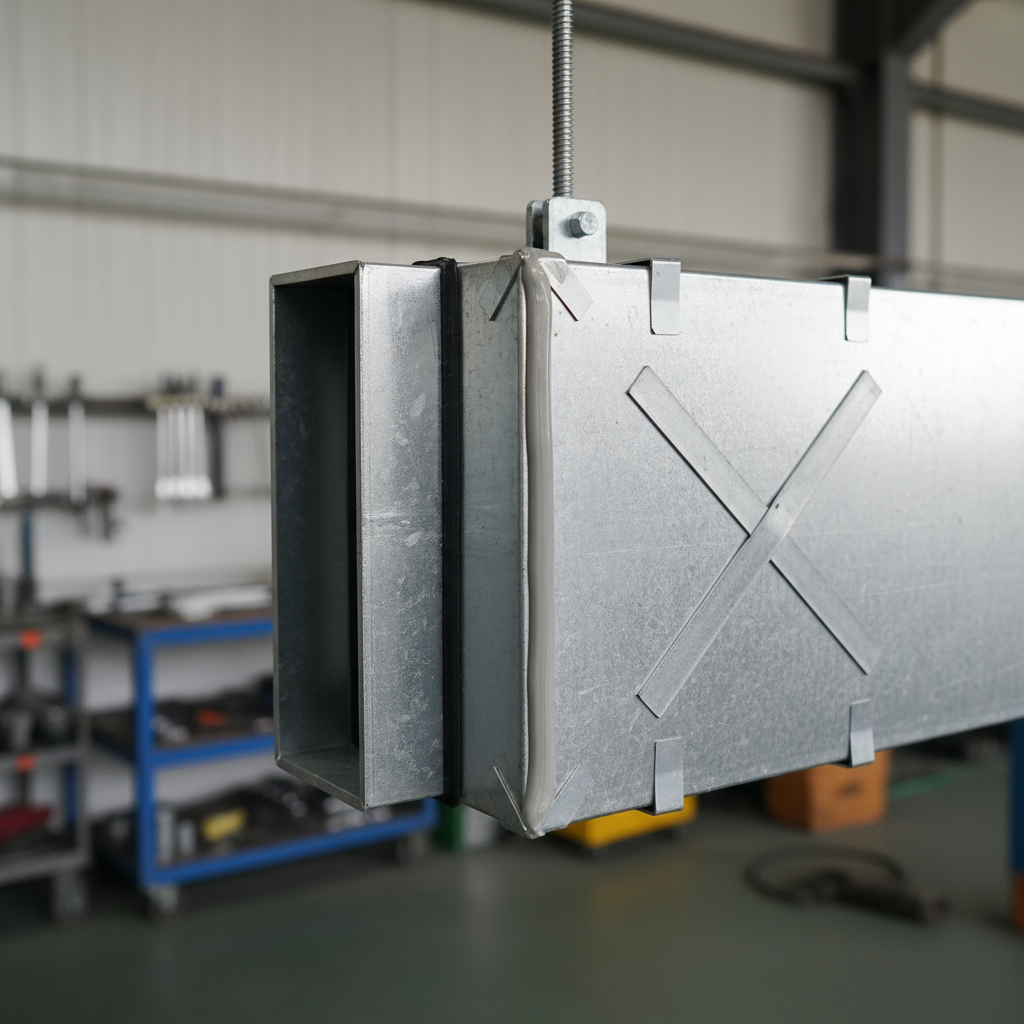
  • Joints & seams: Pittsburgh lock, TDF/TDC frames, angle‑iron flanges, slip/drive. Sealed with EPDM gaskets, low‑VOC mastic, UL‑rated tapes; stiffeners on large spans.
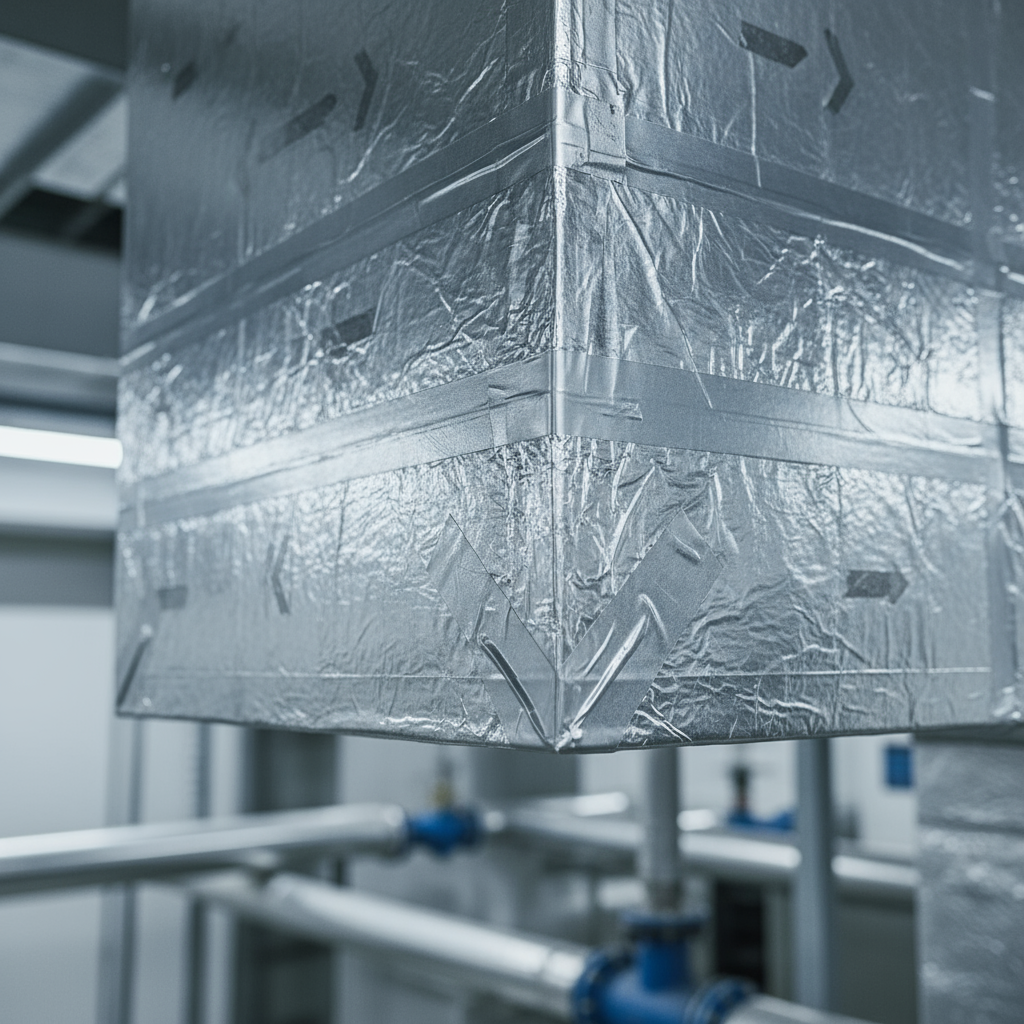
  • Insulation & acoustic: Nitrile rubber 9–25 mm or mineral wool 25–50 mm with vapor barrier; acoustic lining 10–25 mm (perforated inner) for noise control; fire wrap/cladding where codes require.

Our Process

How We Work Step-by-Step

Quality, Safety & Compliance

  • Workmanship QC: Seam integrity, flange squareness, gasket continuity; leakage class achieved as specified.
  • Material Traceability: GI/SS grades, insulation type/thickness, damper specs—logged and verified against BOQ.
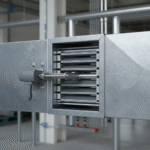
  • Fire & Life Safety: Fire/smoke dampers per drawings, firestopping at penetrations, access doors for maintenance.
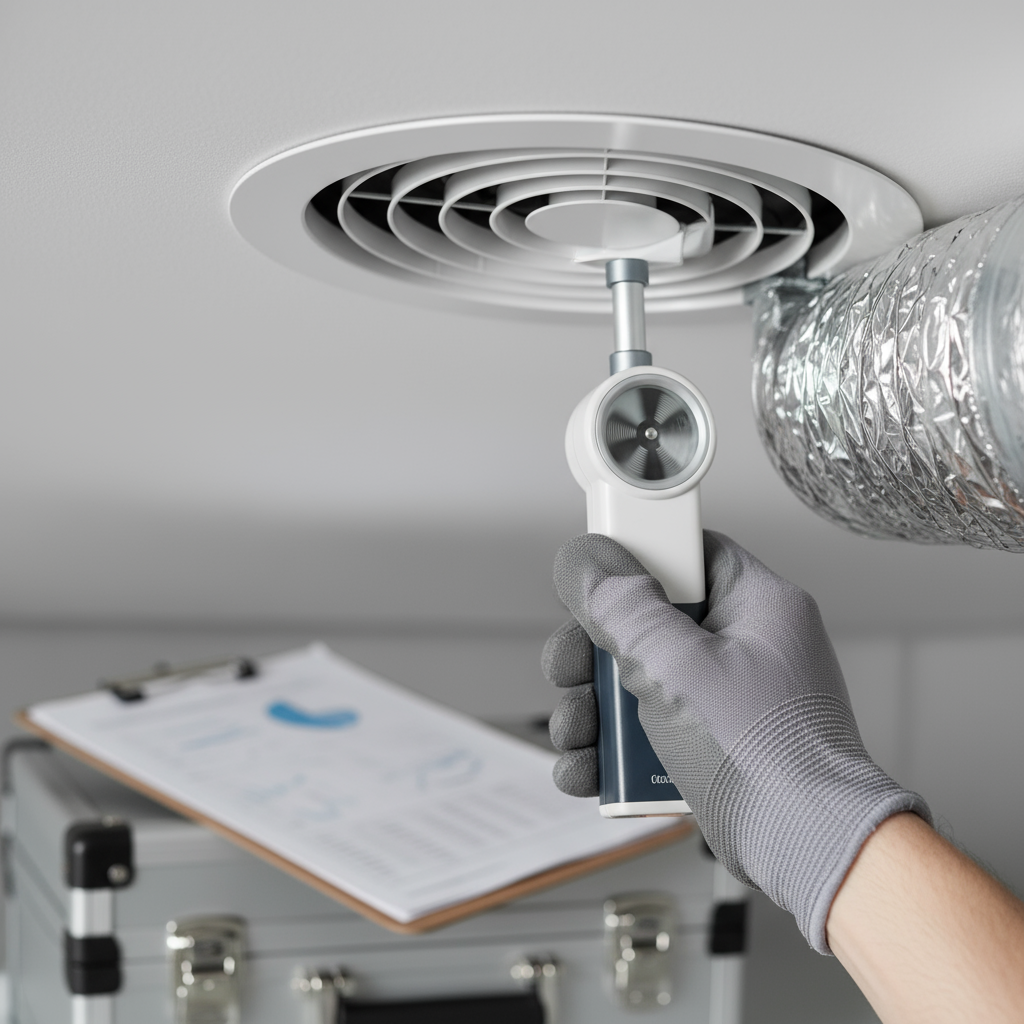
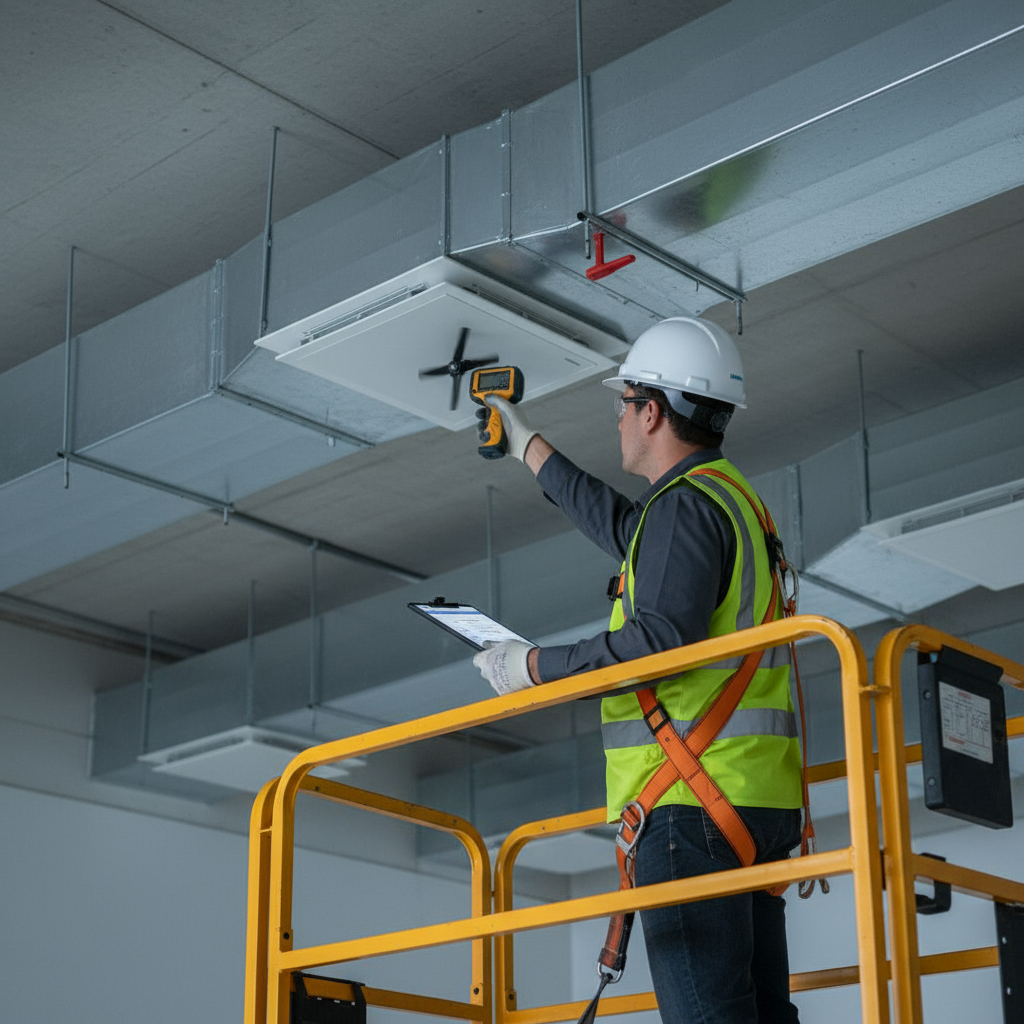
  • Testing & Verification: Duct leakage/pressure tests, TAB (testing, adjusting, balancing), vibration checks at equipment.
  • Standards & Codes: Installed to SMACNA/ISHRAE and applicable local building/fire codes; audits on request.
  • Documentation: ITPs, QC checklists, as‑built drawings, test reports, O&M manuals, warranty handover.
  • Housekeeping & Environment: Dust control, surface protection, low‑VOC sealants, waste segregation and metal scrap recycling.
 

Case Studies/Projects

Allen - Sikar

  • Scope: 35,000 CFM GI rectangular ducting with 25 mm acoustic lining; VCDs, access doors, flexible connectors.
  • Challenge: Uneven airflow, noise at branches, tight ceiling coordination.
  • Solution: Re-routed mains for equal friction, resized branches, sealed TDF/TDC joints, full TAB.
  • Duration: 5 weeks (two phases, night shifts).
  • Results: 12% drop in hot/cold complaints; fan speed reduced after balancing (energy down ~10–15%); Leakage Class A achieved.

Tata - Jaipur

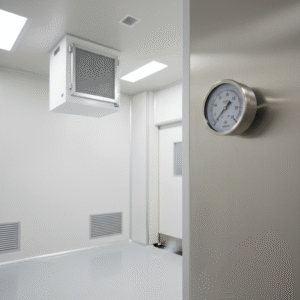
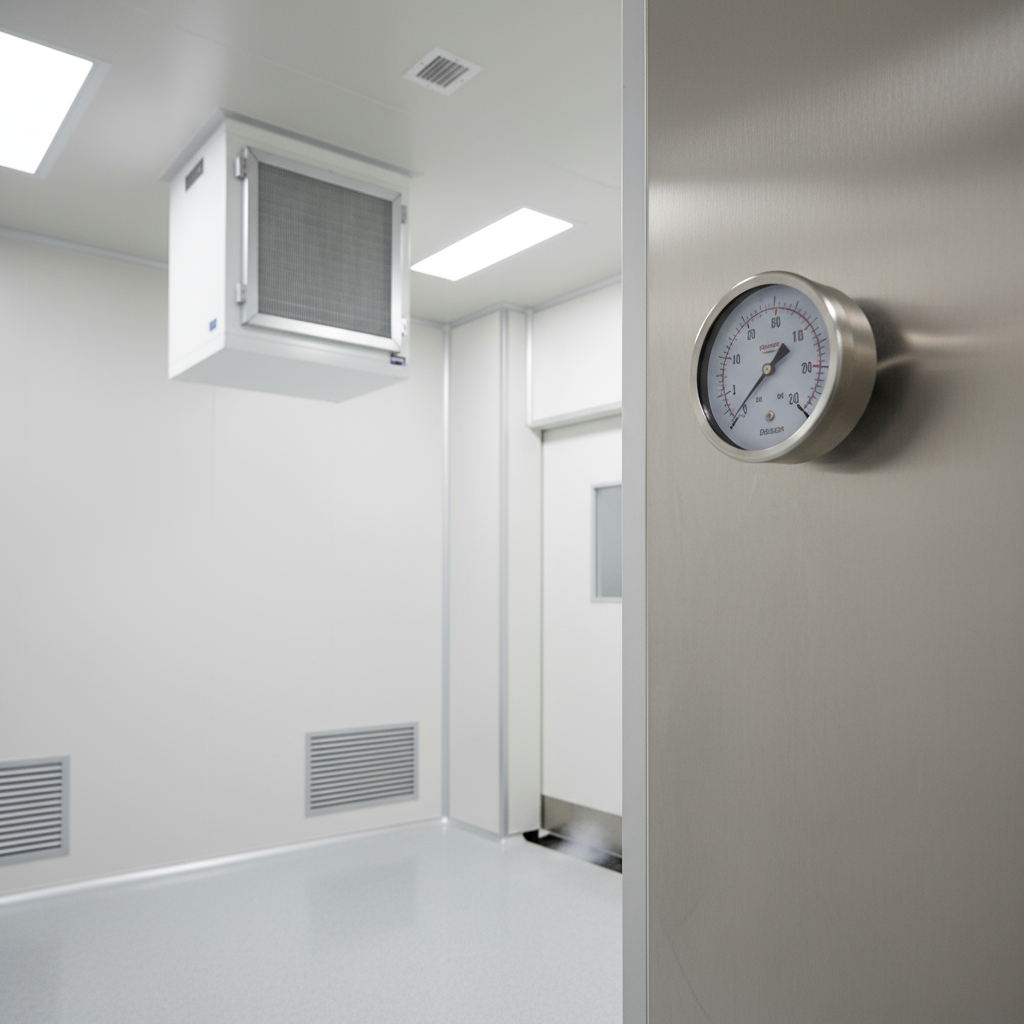
  • Scope: SS 304 ducts to HEPA terminal boxes; low-leak fittings; pressure monitoring ports.
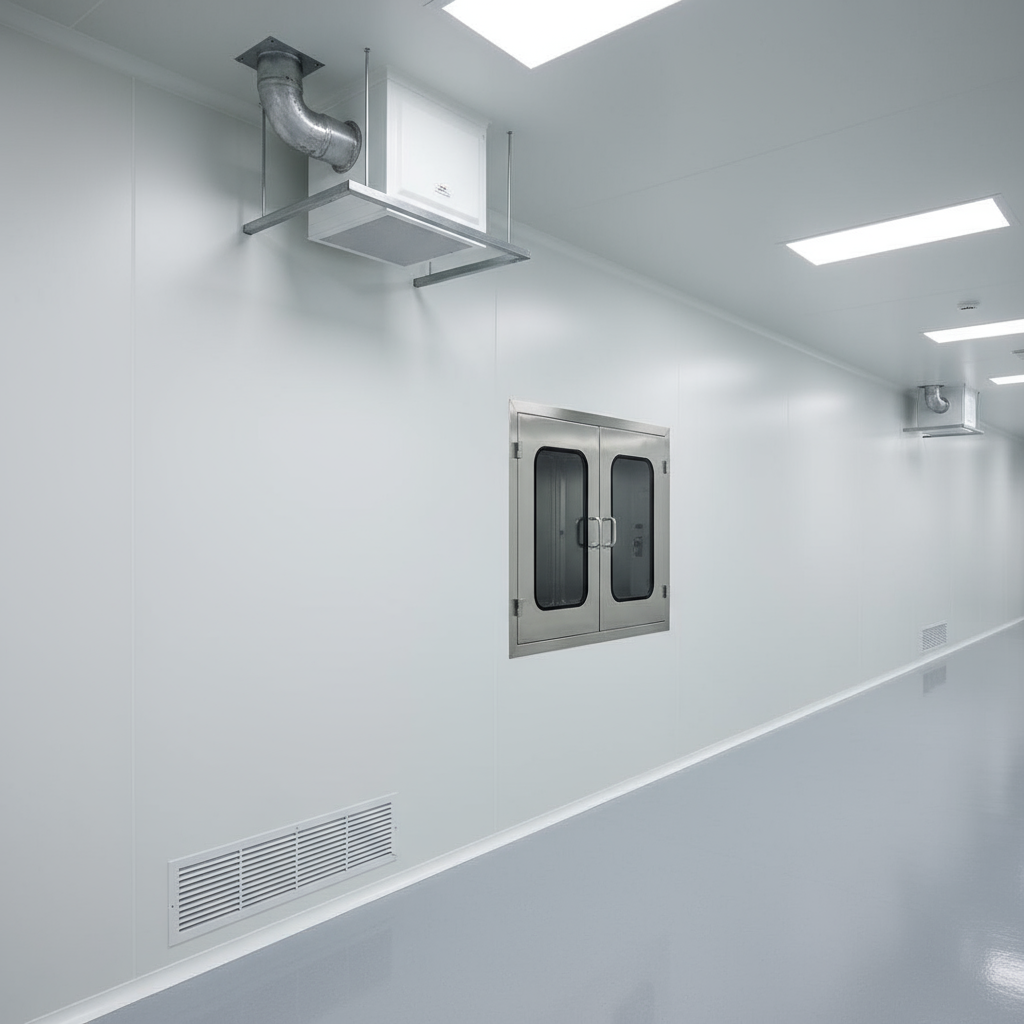
  • Challenge: Meet ISO 8 with +15 Pa room differential and low particle counts.
  • Solution: Smooth SS ductwork, sealed seams, careful damper tuning, third-party validation support.
  • Duration: 3 weeks (fast track).
  • Results: Target differentials achieved; ISO 8 validated; measured leakage below specified limit; noise within design.

Gallery

FAQs

Ducting is like big hollow pipes that move air from one place to another inside a building.

Supply pushes fresh or cool air in. Return pulls used air back. Exhaust throws bad or hot air outside.

Offices, shops, homes, hospitals, kitchens, factories, warehouses, and cleanrooms

Mostly metal sheets (galvanized steel), sometimes stainless steel, aluminum, or insulated panels.

Round/spiral leaks less and is quiet; rectangular fits tight spaces. We choose what suits your site.

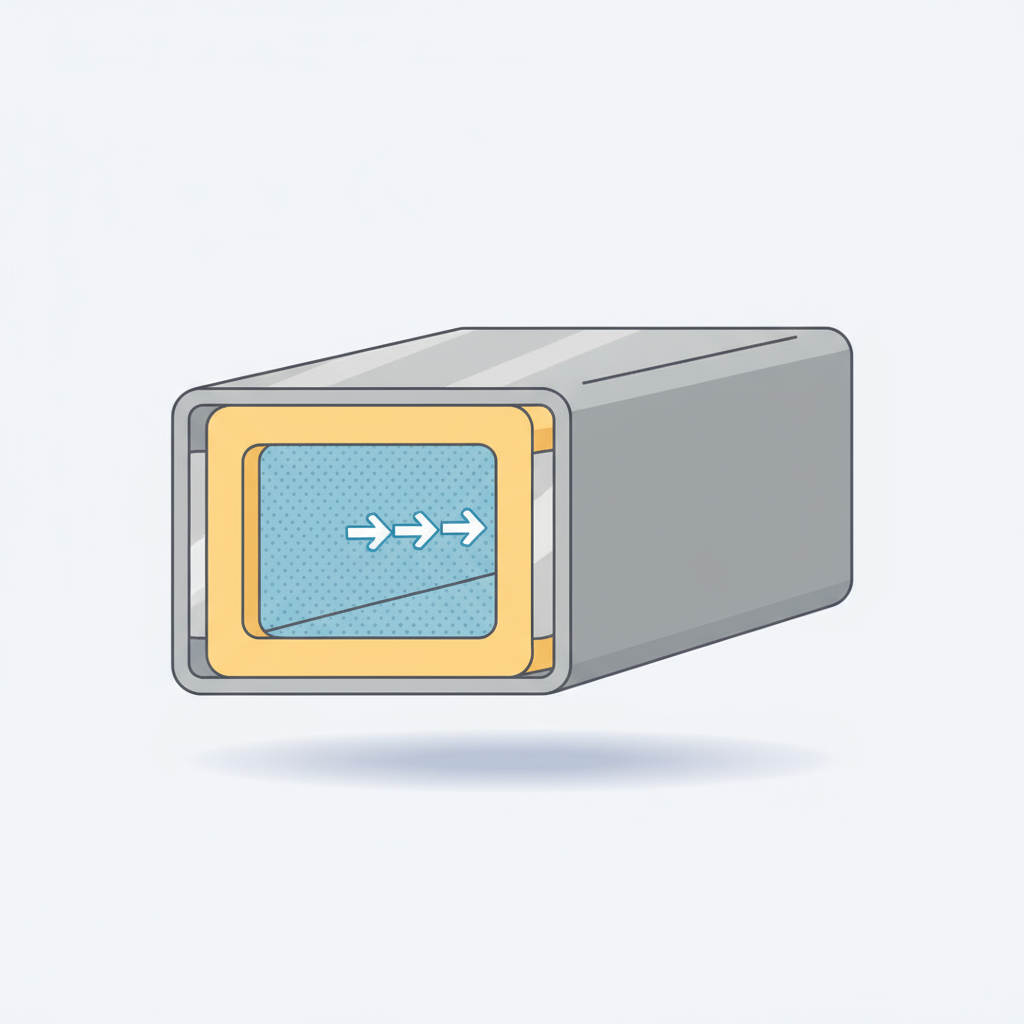
It keeps air at the right temperature and stops water drops (condensation) on the duct

Our Related Service

Scroll to Top